
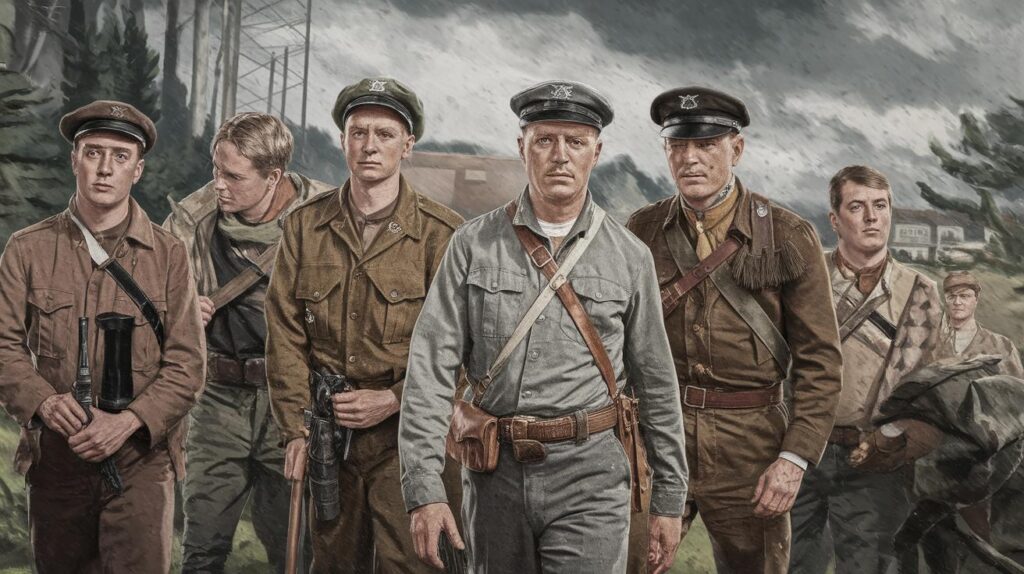
The Kapp Putsch: A Century Later
The Kapp Putsch, a significant but often overlooked event in German history, unfolded in March 1920 when right-wing factions attempted to overthrow the Weimar Republic and establish an autocratic government. Emerging from post-World War I chaos, the Putsch was a pivotal moment that highlighted the fragility of Germany’s fledgling democracy. This blog post delves into the origins of the Kapp Putsch, its key players and events, and the subsequent implications for German politics and society. As we reflect on its centennial, we explore the lessons learned and the enduring impact it has had on shaping modern Germany. This exploration not only uncovers a crucial episode in history but also provides insights into the broader challenges faced by democratic systems in times of political turmoil.
One hundred years since Germany’s Kapp Putsch
The Origins of the Kapp Putsch
The Kapp Putsch was born out of the tumultuous circumstances that followed Germany’s defeat in World War I. The country was engulfed in political instability, economic hardship, and social unrest. The signing of the Treaty of Versailles in June 1919 exacerbated nationalist and militarist sentiments among certain factions, who viewed the treaty’s terms as humiliating and unjust. Many in the military, high-ranking officials, and nationalist groups felt betrayed by the Weimar Republic’s leaders, whom they derisively referred to as the “November criminals” for signing the armistice.
In this volatile environment, Wolfgang Kapp, a staunch right-wing politician, and General Walther von Lüttwitz spearheaded the coup attempt. Lüttwitz had been relieved of command by the Weimar government for his involvement in insubordinate military actions, fueling his animosity towards the republic. They sought to overthrow the democratic government and install a conservative autocracy aligned with traditional monarchist ideals, restoring Germany’s former glory and rejecting the perceived humiliation of Versailles.
The Putsch Unfolds
On March 13, 1920, Lüttwitz’s troops, accompanied by Freikorps units, marched into Berlin, encountering little resistance as they occupied government buildings and declared Kapp as the new Chancellor. The legal government fled the capital, seeking refuge in Dresden and then Stuttgart. Eerily, despite possessing superior military force, the coup plotters struggled to assert control over the country, primarily due to lack of widespread support and legitimacy.
One of the most significant responses to the Putsch came from the German workers, who, in defiance of the coup, called a general strike. The strike effectively paralyzed public services and the economy, rallying the working class and even those who did not necessarily support the Weimar government against the Putsch. The strike’s effectiveness was a testament to the enduring power of organized labor and a clear indicator that Kapp and his supporters could not govern without public consent. After four days, with Berlin immobilized and the coup failing to gain international recognition, Kapp resigned and fled to Sweden, marking the end of the Putsch.
The Aftermath and Legacy
The failure of the Kapp Putsch did not spell an end to right-wing opposition in Germany, nor did it stabilize the Weimar Republic. The republic continued to face threats from both the left and right, with the legacy of the Putsch ringing long after its brief tenure. It highlighted the fragility of democratic institutions when faced with authoritarian impulses and external pressure. The Putsch also foregrounded the lack of consensus among the German military and police forces about their role in supporting democracy, something that haunted the republic for years to come.
In the long term, the Putsch served as a crucial learning moment for the Weimar Republic about the importance of maintaining the rule of law and democratic order. However, the underlying tensions it exposed were never fully resolved within the Republic’s lifespan, contributing to the susceptibility of German democracy to future radicalization and the eventual rise of Nazism. The lessons of the Kapp Putsch thus remain relevant today, with its history serving as a cautionary tale about the consequences of polarized politics and the critical need to protect democratic institutions.
Lily Hulatt
As a historian with an emphasis on early 20th-century Europe, I have developed a deep interest in the pivotal moments that shape countries. The Kapp Putsch represents a significant, albeit brief, episode in Germany’s turbulent history that has lasting implications worthy of discussion and reflection.
Share this:
If you found this exploration of the Kapp Putsch intriguing, consider sharing it with your friends, family, or colleagues interested in historical events that have shaped modern political landscapes.
Related
Explore more about Germany’s complex history with articles on the Treaty of Versailles, the fall of the Weimar Republic, and the rise of the Third Reich. Understanding these interconnected events can offer greater insight into the forces that changed the course of world history.
Next Steps
| Topic | Content |
|---|---|
| The Origins of the Kapp Putsch | Background on Germany’s post-WWI struggles and the motivations behind the Putsch. |
| The Putsch Unfolds | Details of the Putsch’s progression, the general strike, and its eventual failure. |
| The Aftermath and Legacy | Impact on the Weimar Republic, lessons learned, and historical significance. |

