
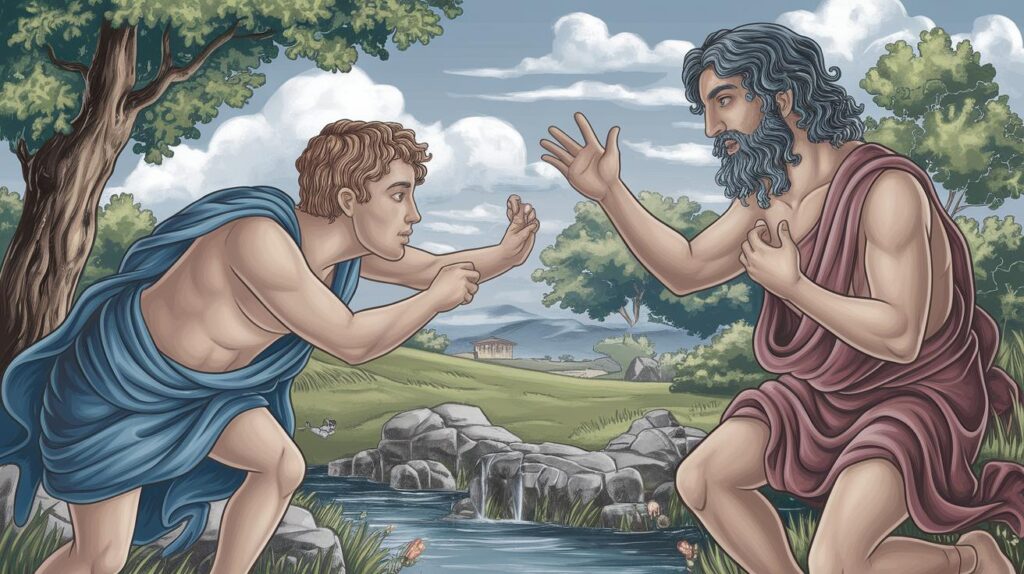
Romulus and Remus: The Story of the Founders of Rome
The tale of Romulus and Remus stands as one of the most fascinating aspects of Roman mythology, deeply intertwined with the city’s origins. This blog post delves into the historical backdrop and the epic sagas surrounding their lives. We start with a look into the general history of ancient Rome and traverse through the legendary journey of Aeneas from Troy. The core of the narrative unfolds with Romulus and Remus’s mythical upbringing and their eventual founding of Rome. We also explore the impact of these legends on the Roman Monarchy and provide insights into related topics that might pique your interest. Join us as we unravel the blend of myth and history that has captured imaginations for centuries.
History
Ancient Rome’s origins are submerged deeply in legends that constitute both mystical elements and recognized historical accounts. Long before the grandiosity of the Roman Empire, the area was a melting pot of different cultures and tribes. Archaeologists suggest that people were settling in Rome as early as the 10th century BC, evidenced by remnants found in the region. These tribes lived simple lives, primarily concerning themselves with agriculture and trade.
Throughout history, Rome transformed from a small agricultural community to one of the most powerful cities in the ancient world. The Early Roman Kingdom, filled with its intricate myths and legends, formed the cornerstone of Roman identity. Embedded in these was the tale of Romulus and Remus, reflecting both the richness of Rome’s cultural imagination and a society perpetually in search of a divine and heroic foundation for their city.
The Legend of Aeneas
The narrative of Rome’s origins is not solely confined to its immediate environs. Aeneas, a Trojan prince, plays a pivotal role in the legends surrounding Rome’s inception. After escaping the burning ruins of Troy, Aeneas is said to have led a group of survivors on a journey that would eventually link him to the Latins, the Roman people’s ancestors.
Virgil, in his epic poem “The Aeneid,” reinforces this connection by chronicling Aeneas’s wanderings and his divine mission to found a new city. Aeneas embodied the ideal Roman virtues, such as piety and duty, which had a lasting influence on Roman culture and ideology. His settlement in Italy and his descendants laid the groundwork for the eventual birth of Romulus and Remus, anchoring the mythological narrative to historical claims of divine ancestry.
The Legend of Romulus and Remus
Romulus and Remus are central figures in the myth of Rome’s founding. According to legend, they were born to Rhea Silvia, a vestal virgin, and Mars, the god of war. Their birthright placed them at the heart of a political struggle, leading to a dramatic act of survival as they were abandoned by the Tiber River.
Miraculously saved and nurtured by a she-wolf, they were later found and raised by a shepherd couple. Growing up, Romulus and Remus were natural leaders, ultimately discovering their royal lineage. As adults, they set out to build a city, coming into conflict over its location. This rivalry culminated in Romulus slaying Remus, and thus establishing Rome, naming it after himself. This myth underscores themes of destiny, sacrifice, and fraternal conflict, becoming a cornerstone of Roman national identity.
Ancient Roman Monarchy
The story of Romulus and Remus influenced the subsequent structure of the Roman Kingdom, an era characterized by its monarchical authority. Romulus is credited as the first king of Rome, purportedly introducing foundational social and political institutions. His reign marked the beginning of the Roman Regnal Period, which laid the groundwork for later republicanism and imperial governance.
The narrative of Rome’s kings established a legacy that intertwined mythology and monarchy. It elevated the status of the city’s early leaders, linking them with the divine. The Roman kings, starting with Romulus, were both historical figures and mythological heroes, serving to legitimize their rule through divine ancestry and legendary deeds, which served as a continual presence in Roman ideology and political rhetoric.
You may also be interested in
If the myths and legends about Romulus and Remus intrigue you, there are other fascinating aspects of Roman history to explore. Consider diving into the tales of the Roman Gods and Goddesses whose narratives sculpted much of Roman mythology. Their divine stories often intertwined with mortal lives, creating a rich tapestry of myth that has fascinated scholars and enthusiasts alike.
Additionally, the Roman Republic and Empire hold magnificent tales of heroes, conquests, and political intrigue. Understanding how the principles and virtues instilled by early Roman myths evolved with the grandeur of the Republic and the consolidation of imperial power provides insight into the legacy of Rome that continues to influence modern societies.
Summary of Main Points
| Section | Main Points |
|---|---|
| History | An overview of Rome’s geographical and cultural beginnings, setting the stage for mythological narratives. |
| The Legend of Aeneas | Aeneas’s journey from Troy, establishing ties to Roman ancestry and cultural values. |
| The Legend of Romulus and Remus | The twin brothers’ divine and dramatic life story, highlighting the founding of Rome. |
| Ancient Roman Monarchy | Analysis of how early myths supported Rome’s monarchical system and political structures. |
| You may also be interested in | Suggestions for further exploration of Roman mythology and history. |

