
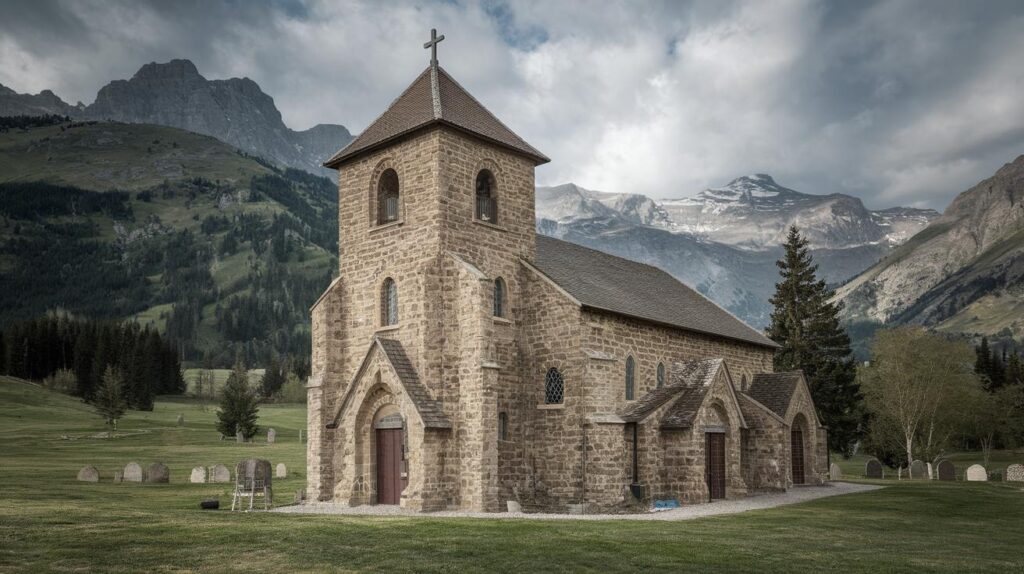
Church in Medieval Times
The medieval period, often referred to as the Middle Ages, was a time when the church played a vital role in the fabric of society. This blog post will delve into the multifaceted influence of the church during these times. Beginning with an exploration of its structure and beliefs, the discussion will extend to its pervasive presence in daily life. Yet, it wasn’t without flaws, as corruption and heresy presented significant challenges. The story would culminate in the period we know as the Reformation, a transformative era of religious change. Through these lenses, we’ll gain a comprehensive understanding of how the church shaped medieval life.
Church Structure & Beliefs
The church during medieval times was a complex hierarchy with the Pope at its apex, followed by cardinals, bishops, and priests. This structure mirrored the feudal system of the era, underlining the intrinsic link between societal and religious order. The church held significant power over its followers, defining religious doctrines and moral standards that governed everyday life.
Central to church beliefs was the omnipresence and omnipotence of God, with an emphasis on the salvation of the soul and the afterlife. The sacraments played a crucial role, with baptism, communion, and confession deemed necessary for salvation. The church was not just a spiritual guide; it was a pivotal educational and cultural force, preserving classical knowledge and encouraging the arts.
Church in Daily Life
In medieval societies, the church was more than a place of worship; it was the cornerstone of community life. Church bells marked the hours of the day, and its calendar of feasts and fasts provided a structure to the year. On Sundays and holy days, the congregation gathered for mass, which was a social as well as spiritual gathering.
The church also played a crucial role in education and health care. Monasteries and convents served as centers of learning and preservation of knowledge through scriptoria where manuscripts were copied and illuminated. Additionally, many medieval hospitals were church-run, offering care for the sick and indigent.
Corruption & Heresy
The immense power held by the church inevitably led to corruption. Simony, the selling of church offices, was rampant, and indulgences—purchased remissions of punishment for sins—were controversially widespread. This corruption often caused discontent among believers, leading to disillusionment with the church’s moral authority.
Heresy became a pressing issue as individuals and groups began to challenge church teachings and practices. Prominent heretical movements, such as the Cathars and Waldensians, emerged, promoting alternative religious views. The church viewed heresy as a grave threat, prompting inquisitions to enforce orthodoxy and suppress dissenting voices.
Reformation
The Reformation was a pivotal period marking significant doctrinal and structural changes within Christianity. Sparks of reform ignited when figures like Martin Luther challenged the church’s practices, criticizing indulgences and asserting the primacy of the Scriptures over papal authority. His 95 Theses, nailed to a church door in 1517, became a catalyst for change.
This period of religious upheaval saw the fragmentation of the Western church into multiple Christian denominations. It prompted profound shifts in the political and religious landscapes of Europe, diminishing the church’s temporal power and leading to the rise of Protestantism. The Reformation was not only a religious transformation but also a cultural and socio-political revolution, reshaping the course of history.
Final Thoughts
| Aspect | Description |
|---|---|
| Church Structure & Beliefs | A hierarchical system echoing feudal order, with the Pope at its helm, emphasized divine power and salvation through sacraments. |
| Church in Daily Life | Integral to community life, shaping social structures through liturgical and educational roles, with monasteries preserving knowledge. |
| Corruption & Heresy | Challenges due to church’s moral lapses, such as simony, indulgences, and emergence of heretical movements demanding reform. |
| Reformation | Transformative era initiated by calls for reform, leading to the Protestant breakaway and substantial doctrinal changes. |

