
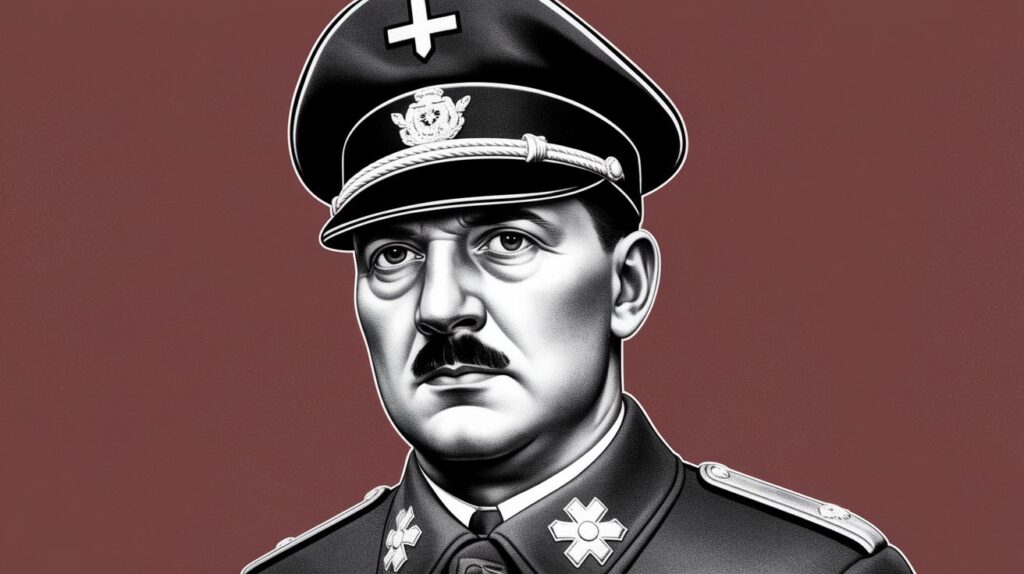
Why Hitler Had to Rearm in Secrecy
Adolf Hitler’s decision to rearm Germany in secrecy was a pivotal move that shaped the trajectory of Europe leading to World War II. This blog post examines the clandestine nature of German rearmament, Hitler’s motivations behind these actions, and the international responses. Initially, Hitler’s actions seemed to defy the Treaty of Versailles and conceal Germany’s growing military strength. The Munich Agreement and the Partition of Czechoslovakia further illustrate the global geopolitical dynamics and the appeasement policies influencing German rearmament. We’ll explore key facts, historical contexts, understand relevant glossary terms, and provide critical questions to reflect upon these formative events in world history.
Key Facts
Adolf Hitler began rearming Germany in the early 1930s under direct orders, flouting the Treaty of Versailles, which had imposed severe restrictions on Germany’s military capabilities following World War I. These constraints limited the German army to 100,000 troops and prohibited tanks, military aircraft, and submarines. Despite these restrictions, Hitler and his regime started building a modern military force, marking a significant breach of international agreements.
Rearmament was carried out in secrecy initially, to prevent early intervention or sanctions from the Allied nations. The clandestine approach allowed Germany to expand its military power without alerting other European powers to the looming threat. This strategic move not only involved building new weapons but also entailed modernizing infrastructure, training personnel, and engaging in diplomatic maneuvers to delay international scrutiny.
The rapid pace and scale of rearmament were unprecedented and alarming to the international community once discovered. However, Hitler’s diplomatic tactics and the prevailing European focus on economic recovery initially allowed him some leeway. The ability of Germany to rearm under the radar significantly altered the balance of power in Europe, setting the stage for the confrontations that would lead to World War II.
The Munich Agreement and the Partition of Czechoslovakia
The Munich Agreement, signed in September 1938, was a significant turning point that reflected the policy of appeasement practiced by Britain and Canada towards Germany. This agreement allowed Hitler to annex the Sudetenland, a region of Czechoslovakia with ethnic Germans, without military intervention from European powers. It was intended to appease Hitler’s expansionist ambitions and maintain peace in Europe, but instead, it emboldened his aggressive policies.
The partition of Czechoslovakia, facilitated by the Munich Agreement, demonstrated the failure of appeasement and the consequences of underestimating Hitler’s intentions. While the agreement was initially seen as a diplomatic success that averted war, it ultimately exposed the weaknesses of the European powers in standing up to Nazi aggression. The annexation of the Sudetenland paved the way for Hitler to occupy the rest of Czechoslovakia in March 1939, further destabilizing Europe.
The Munich Agreement highlighted how international diplomacy, marred by fear of conflict and underestimation, contributed to the unchecked power of Nazi Germany. It failed to address the core issues posed by Hitler’s expansionist policies, instead offering temporary appeasement that only delayed conflict. This period showcases the complexities of balancing diplomatic negotiations with military preparedness in a rapidly changing political landscape.
Glossary Terms
Treaty of Versailles:
The peace treaty signed in 1919 that ended World War I, imposing military and territorial restrictions on Germany aimed at preventing future conflicts.
Appeasement:
A diplomatic policy aimed at avoiding conflict by making concessions to aggressive powers, as exemplified by the Munich Agreement.
Sudetenland:
A region of Czechoslovakia with a significant ethnic German population, annexed by Germany following the Munich Agreement.
Critical Thinking Questions
1. Considering the terms of the Treaty of Versailles, what were the potential ramifications of Germany rearming in secret for the balance of power in Europe?
2. How did the policy of appeasement influence the actions of European powers in the lead-up to World War II?
3. What might have been alternative strategies that European powers could have employed to counteract Hitler’s rearmament and expansionist ambitions?
Next Steps
| Section | Content Summary |
|---|---|
| Introduction | Overview of Hitler’s secret rearmament and its historical context. |
| Key Facts | Discussion of Hitler’s rearmament process and defiance of the Treaty of Versailles. |
| Munich Agreement and Partition of Czechoslovakia | Analysis of international appeasement and its impact on Nazi expansion. |
| Glossary Terms | Definitions of key historical terms such as the Treaty of Versailles and appeasement. |
| Critical Thinking Questions | Questions meant to provoke reflection on the implications of Hitler’s policies and European responses. |

