
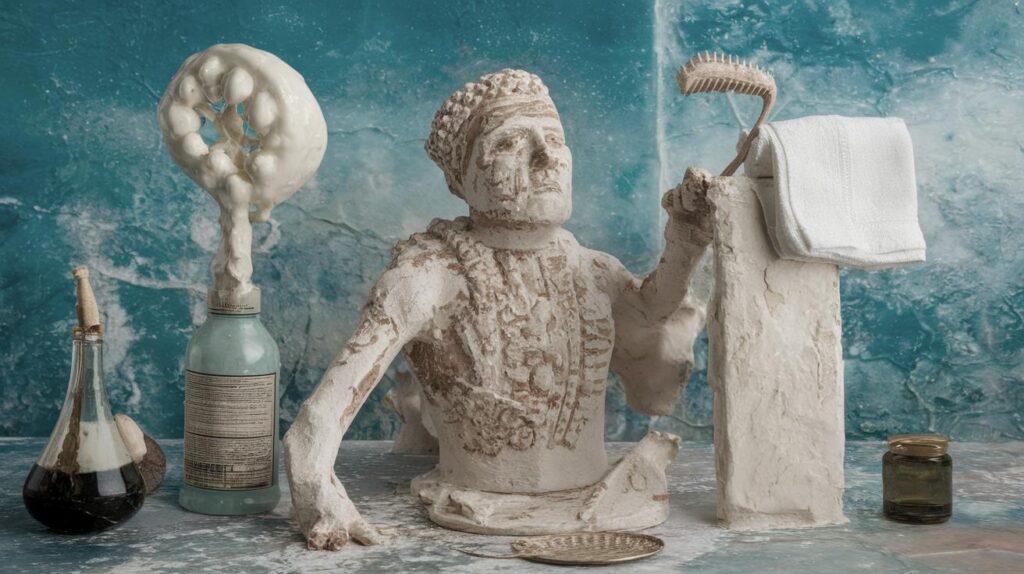
The Evolution of Hygiene: A Historical Insight
The concept of hygiene has evolved significantly throughout human history, intertwining with the development of civilizations from antiquity to the modern era. This blog post delves into the significant milestones in the history of hygiene, exploring the innovations and cultural practices that have shaped our understanding of cleanliness and health. Through an exploration of water supply systems, personal hygiene practices, the creation and evolution of toilets, and the battle against plagues and diseases, we gain insight into how societies adapted to the challenges of maintaining public and personal health. Join us on a journey through time to discover when hygiene was truly “invented” and how its principles have evolved to guide our future health endeavors.
Water Supply
The significance of clean water for hygiene was recognized early in human civilization. Ancient sutures such as the Indus Valley Civilization laid the groundwork for efficient water supply systems around 3300 BCE, constructing sophisticated urban areas with complex drainage and bathing facilities. These systems underscore an early understanding of the necessity for accessible clean water in maintaining communal and personal health.
In Ancient Rome, the extensive aqueducts exemplified advanced water management. Constructed as early as 312 BCE, these structures transported fresh water from distant sources into urban centers, significantly improving public health and sanitation. The Roman emphasis on public baths and fountains indicates a communal appreciation for cleanliness and its association with health. This understanding that structured and reliable clean water supply is crucial for large populations has persisted into modern urban planning.
Personal Hygiene
Personal hygiene has varied considerably across different cultures and eras. Evidence suggests that ancient Egyptians practiced daily bathing rituals, used fragrant oils, and developed rudimentary forms of soap to keep themselves clean. This cultural emphasis on cleanliness can be linked to practical concerns about health as well as social and religious practices that associated purity with divinity and order.
In contrast, medieval Europe experienced a regression in personal hygiene awareness due to a variety of cultural and ecclesiastical influences which often viewed bathing with suspicion, fostering an environment where even basic cleanliness was neglected. It wasn’t until the Renaissance period that a renaissance in personal hygiene occurred. Influenced by advances in scientific understanding, Europeans began to once again prioritize cleanliness, laying the groundwork for modern sanitary practices.
Toilets
The invention and refinement of toilets represent a significant advancement in human hygiene practices. The earliest toilets, dating back to 3000 BCE in the Indus Valley, included structures with rudimentary waste management systems. These early inventions highlight an early understanding of the need to manage human waste responsibly to prevent disease.
Over the centuries, various designs and technologies were developed, varying from chamber pots to the more sophisticated water closets of the 18th century. The introduction of modern sewers and plumbing systems during the 19th century marked a turning point, vastly improving urban sanitation and combating the spread of diseases linked to inadequate waste management.
Plague & Diseases
The relationship between hygiene and disease was tragically highlighted during the many plagues that swept through history, such as the Black Death which devastated Europe in the 14th century. These pandemics underscored a crucial understanding of the need for better hygiene practices to prevent the spread of infectious diseases.
Advancements in medical science during the 19th century, particularly the Germ Theory proposed by pioneers like Louis Pasteur, established a new understanding of the microscopic causes of disease. This newfound knowledge emphasized the importance of sterilization, antisepsis, and vaccinations, fundamentally altering hygiene practices and public health policies worldwide, leading to significant reductions in disease outbreaks and enhancing overall life expectancy.
Future Prospects
Hygiene continues to evolve alongside scientific advancements and cultural shifts. The ongoing development of technologies in sanitation and personal care products demonstrates a continued commitment to improving public health. As our world faces new health challenges, such as antibiotic resistance and global pandemics, historical insights into hygiene practices remain indispensable. Just as past civilizations adapted their understanding of hygiene to meet their needs, future innovations will likely draw from these lessons to combat the ever-changing landscape of public health threats.
| Aspect | Historical Examples | Impact |
|---|---|---|
| Water Supply | Indus Valley, Roman Aqueducts | Improved access to clean water, public health |
| Personal Hygiene | Ancient Egypt, Renaissance Europe | Social and health benefits, religious influence |
| Toilets | Indus Valley, 19th-century plumbing | Sanitation improvement, disease management |
| Plague & Diseases | Black Death, Germ Theory | Enhanced understanding of disease and hygiene |

