
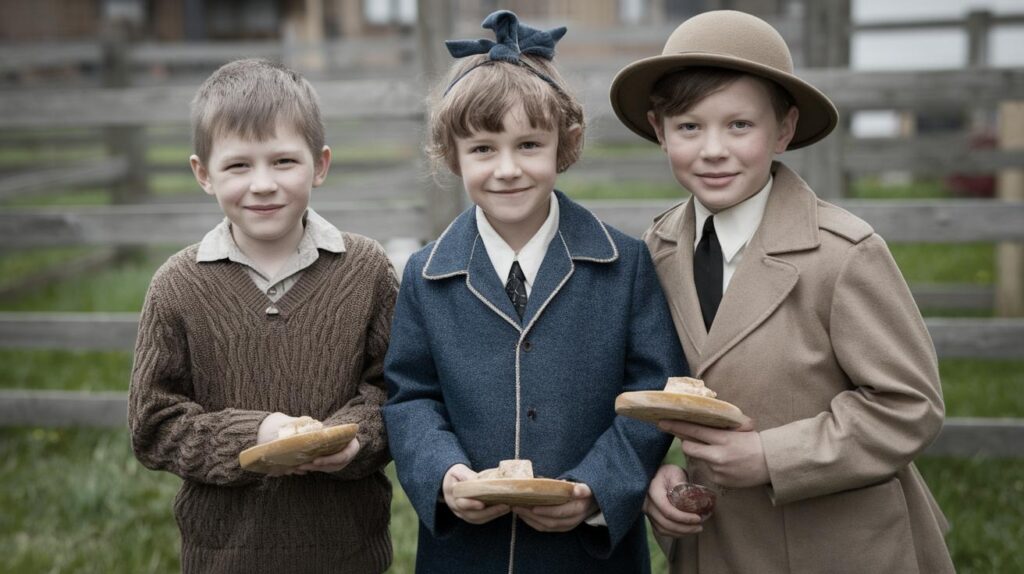
Children’s Rations in World War II
During World War II, rationing was a challenging yet essential part of life, especially for children. The
scarcity of supplies forced governments to implement strict controls to ensure equitable distribution of
food and essentials. This blog post delves into the intricacies of wartime rationing as it pertained to
children, examining the weekly allowances and the overall impact on young lives. We will explore the staple
items included in a child’s ration book, the ingenuity parents employed to make them stretch, and how these
measures impacted children’s health and everyday experiences. Finally, we’ll provide a summary table offering
a snapshot of the discussed topics, capturing the essence of childhood under rationing.
Rationing and Shortages
The outbreak of World War II brought about an era of stringent rationing across many parts of the world. As
nations grappled with the allocation of scarce resources, children were caught in the web of these restrictions,
which dramatically altered their daily diets and overall lifestyle. Rationing was not only about limiting
quantities but also about fair distribution. Families were given ration books with coupons that had to be
presented when purchasing essentials, ensuring that everyone received their fair share.
Children, being particularly vulnerable to nutritional shortages, were at the forefront of these rationing efforts.
Special attention was given to ensure they received adequate food, though the quality and diversity of their diet
were still compromised. Often the rations included basics such as milk, bread, and potatoes, which had to be
stretched creatively by resourceful parents through substitutions and creative recipes to provide complete, albeit
simple, meals.
Weekly Ration
The weekly ration for children during World War II was carefully prescribed, balancing the need for nourishment
against the realistic supply shortages. A child’s ration book typically included staples such as butter, blended
margarine, cooking fats, sugar, meat, and occasionally sweets. These items, divided into weekly allowances, were
crucial for the sustenance of growing kids but often lacked the variety needed for a balanced diet.
Despite these limited allowances, families were known for their ingenuity. Homemakers found ways to make every
gram count by creating simple yet nutritious meals. Parents became adept at transforming limited resources into
composite dishes, conserving every scrap and making use of substitute or stretch ingredients whenever possible.
Milk was prioritized as children were given additional allowances compared to adults to ensure they had adequate
nutrition for growth.
Glossary
Ration Book: A booklet containing coupons that allowed families to purchase restricted goods in specified
quantities. These books were vital for controlling and monitoring the distribution of supplies.
Rations: The specific allocation of food or supplies such that each person in a given situation received their
equitable share. Rations were a means to distribute limited wartime resources fairly among the population.
Share this:
If you found this article insightful, share it with your friends and family to spread awareness of the historical
realities faced by children during World War II. Understanding the past enables us to appreciate the freedoms and
choices available today. Join the conversation using the hashtags
#WW2History
,
#ChildrenInWartime
, and
#Rationing
on social media platforms.
Final Thoughts
The story of children’s rations during World War II is one of resilience and adaptation in the face of daunting
shortages. The challenges of maintaining a diet with such restricted resources taught both children and
households the values of ingenuity and patience. While the era of rationing left a marked impact on those who
lived through it, it also left behind valuable lessons in the resourcefulness and the endurance of the human
spirit.
| Section | Summary |
|---|---|
| Rationing and Shortages |
Examines the impact of strict rationing measures on children and how these regulations were implemented to ensure fair distribution of scarce resources. |
| Weekly Ration |
Details the composition of a child’s weekly rations during WWII and discusses how families managed to maintain nutrition through ingenuity and creativity. |
| Glossary | Defines key terms related to the rationing system and their significance in the wartime context. |
| Share this: |
Encourages readers to share insights from the article and participate in discussions about historical events on social media. |

