
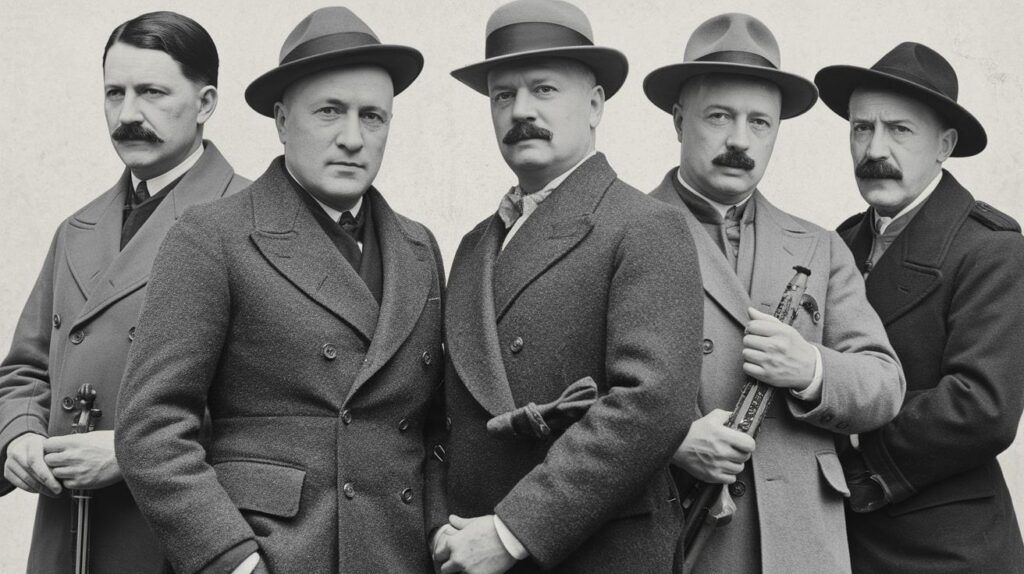
When Hitler Came to Power: The Banning of Composers in Germany
In the tragic era of Nazi Germany, the cultural landscape experienced drastic changes as Adolf Hitler and his regime sought to reshape the arts to fit their ideology. This included the censorship and banning of works by many composers whose music did not align with Nazi ideals. The systematic suppression of these creative voices not only affected the composers themselves but also the cultural heritage of Germany. This blog post explores the impact of these censorship policies on composers, highlighting key figures whose works were banned and the long-lasting effects of these actions on the arts and society.
Fight the insanity. Subscribe to reason.
The rise of the Nazi regime in 1933 marked the beginning of a dark era for freedom of expression in Germany. The Nazis, under Hitler’s direction, aimed to control every aspect of the cultural and intellectual life of the country. One of the earliest actions was the banning of works by composers deemed “un-German” or “degenerate”. This classification often included Jewish composers, those associated with modernist movements, or any music that the regime considered subversive.
Composers such as Arnold Schoenberg, Felix Mendelssohn, and Gustav Mahler were among the many whose works found themselves prohibited from public performance. This cultural purging stifled artistic innovation and suppressed the voices that had once contributed significantly to the rich tapestry of German music. The loss was not only felt within Germany but also resonated on an international scale, as many composers fled the country seeking freedom and solace in creativity elsewhere.
Listen to the best podcast anywhere, everywhere.
During this period of intense cultural repression, alternative platforms became crucial for preserving banned music. Although public performances were restricted, private gatherings and underground concerts provided spaces where the works of outlawed composers could still be appreciated. These intimate settings kept the spirit of the banned music alive, offering a form of resistance against the oppressive regime.
Podcasts, in the modern era, have taken up a similar role—an accessible and resilient medium for sharing art and ideas freely across borders. Today, podcasts provide history enthusiasts and music scholars with the opportunity to delve deeper into the stories of these banned composers. Through these digital airwaves, listeners can explore the intricacies of their compositions and understand the historical contexts that shaped their works, creating a bridge between the past and the present.
What’s in the latest issue?
The legacy of the banned composers is a topic that continues to resonate in academic and cultural discussions. Scholars and authors regularly contribute to the discourse by examining the impact of the Nazi regime on music and highlighting the enduring relevance of the works that were once silenced. These discussions often find their way into academic journals and publications, keeping the memories of these composers alive.
Recent issues of scholarly journals have delved into rediscovering the significance of composers such as Kurt Weill, whose compositions encapsulate the defiance of artistic spirits in challenging times. Renewed interest in these works helps to ensure that they are not forgotten and continues to contribute to a broader understanding of the cultural history that textbooks may overlook.
@YaleBooks
Institutions like Yale University Press play a vital role in the ongoing exploration of censored works, offering publications that shed light on the broader cultural implications of banning artistic expression. Through meticulous research and dedicated storytelling, they provide invaluable resources that capture the voices of those silenced by oppressive regimes, enabling readers to reflect on the resilience of human creativity.
Such publications often bring to life the struggles and triumphs of composers whose talents thrived despite the daunting socio-political environment. These books provide not only an academic analysis but also an emotional journey, allowing readers to connect with the lived experiences of composers who refused to be silenced, enriching our understanding of the past and inspiring contemporary discussions around artistic freedom.
Find What’s New
With increasing digitization, archival projects and institutions worldwide have embarked on efforts to digitally preserve the works of banned composers. Online platforms now offer access to compositions, letters, and other historical documents that were once inaccessible, allowing a global audience to engage with these cultural artifacts.
This digital renaissance offers a renewed appreciation for composers like Erwin Schulhoff and Hanns Eisler, whose contributions to classical and contemporary music remain relevant. By disseminating these works widely, we are reminded of the enduring power of art to transcend physical and ideological barriers, promoting a legacy of creativity that defies censorship.
Browse.
Exploring the history of Nazi Germany’s censorship of composers uncovers numerous stories of individual resilience and artistic innovation. As readers navigate through biographies, historical accounts, and musical critiques, they can appreciate the nuanced ways in which resistance emerged, despite the draconian measures imposed by the regime.
By browsing through the past with an informed perspective, modern audiences can cultivate a deeper appreciation for the cultural contributions that these composers made, and reflect on the ongoing importance of safeguarding freedom of artistic expression. In celebrating the resilience of art, we ensure that creativity continues to flourish, even in the face of adversity.
Future prospects
| Theme | Summary |
|---|---|
| Fight the insanity. Subscribe to reason. | Examines the initial censorship actions against composers considered “un-German” under the Nazi regime. |
| Listen to the best podcast anywhere, everywhere. | Discusses the role of podcasts and secret concerts in keeping banned music alive. |
| What’s in the latest issue? | Highlights ongoing academic discussions and publications focusing on the legacy of banned composers. |
| @YaleBooks | Explores the contributions of scholarly publishers in uncovering the stories of banned composers. |
| Find What’s New | Describes the digital preservation efforts of historical works by banned composers. |
| Browse. | Reflects on the historical exploration of banned composers’ resilience and the importance of artistic freedom. |

